The Tuskegee Study: A Dark Chapter in Medicine
How did an observation born in the name of science transform into a silent betrayal that deprived hundreds of people of medical care?
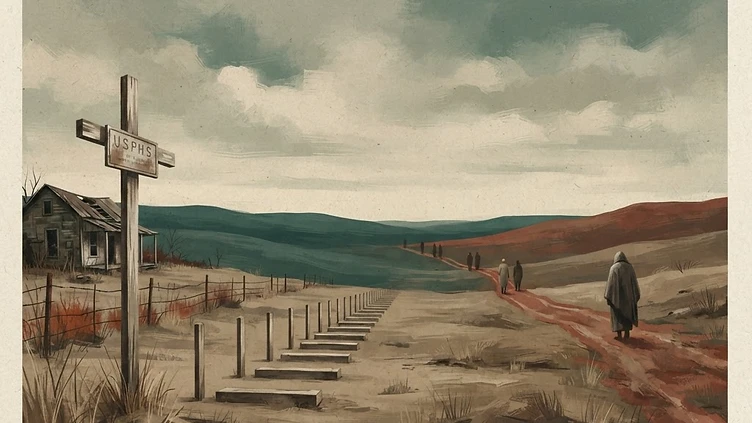
In 1932, in a small Alabama town, a group of researchers quietly initiated an experiment. Their stated goal was to understand the progression of disease within the human body, but the individuals paying the price for this knowledge were not the researchers themselves. Hundreds of African American farmers afflicted with syphilis unknowingly became part of an observational study that would last forty years. The question appears simple, yet the answer is far from it: how does a government choose to leave people ill for years while knowing a cure is available? Tracking this question means witnessing how science justifies its actions and even constructs its own morality.
Monitoring Disease, Withholding Treatment
The origin of the experiment began with a seemingly innocent curiosity. Researchers wanted to document the long-term damage untreated syphilis caused to the human body. At the time, existing treatments were arduous and unreliable, leading to the belief that observing the natural progression of the disease held scientific value. However, there is a critical deviation here: observing is one thing, but withholding treatment while watching is quite another. By blurring these two actions, researchers created a false sense of legitimacy. It is as if a doctor, holding the ointment to heal a patient’s wound in their pocket, chose instead to take notes on how the wound festered.
Over time, this deviation deepened because by the 1940s, penicillin was known to be an effective treatment for syphilis. While the early years of the study may have had a debatable scientific premise, that ground vanished once penicillin became available. Despite this, researchers denied participants the drug because they wanted to preserve the integrity of the study. The question that must be asked is whether the integrity of a scientific process was considered more valuable than the integrity of human life. The decisions made during those years provide a clear answer: yes, it was. Data was placed before humanity.
Science Without Consent
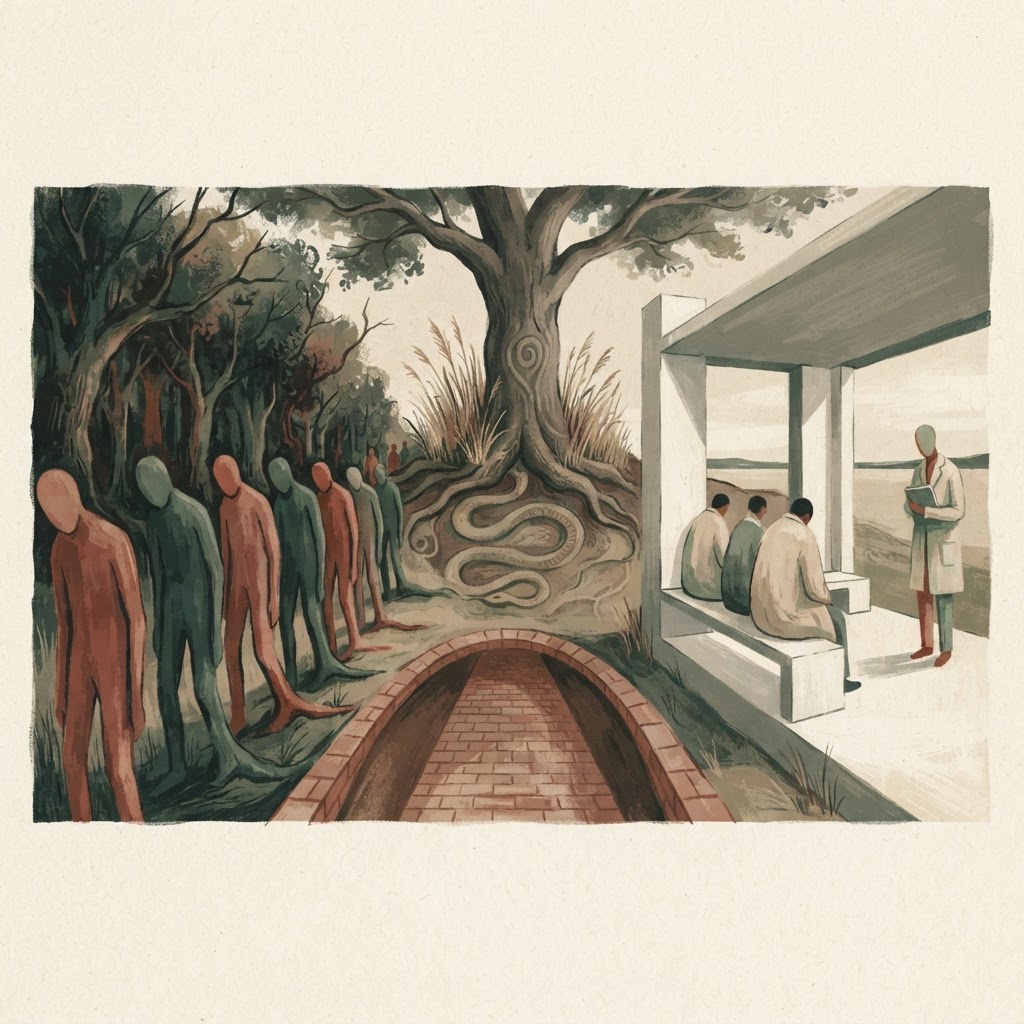
Perhaps the most striking aspect of the experiment is that participants never fully understood what was happening to them. They were not told the name of their disease; instead, a vague phrase like bad blood was used. This served as a perfect way to avoid a real medical diagnosis while keeping people in the dark. What did bad blood mean? Was it fatigue, malnutrition, or a lethal infection? No one knew, because they were not supposed to. Participants were offered small incentives like free examinations, hot meals, and funeral expenses, which functioned as a surrogate for genuine informed consent.
One might counter that the medical culture of the era did not emphasize explaining everything to the patient, perhaps viewing it as a mere reflection of the times. But this explanation does not cover the full forty years. The world changed, medical ethics evolved, and the discourse on human rights grew stronger, yet the experiment remained the same. As years passed, researchers exerted even more effort to prevent participants from learning the truth, fearing the study would end. Here, consent was not merely a formality; it was a deliberately excluded element.
The most painful aspect of this exclusion was that participants had no say over their own bodies. The disease inhabiting a person ceased to be their own story and became data for an investigation. This transformation was a severe example of a common tendency in the history of science: viewing humans as objects rather than subjects. Yet, science exists to understand humanity, not to use humans as tools. When I wonder how this distinction was so easily forgotten, I keep coming back to the thought that perhaps it was not forgotten, but simply found easier to ignore.
The Lasting Scars of Distrust
When the experiment was leaked to the press in 1972, public reaction was one of both astonishment and profound disillusionment. However, this reaction could not undo the effects of the experiment. The distrust of the healthcare system among African American communities became a legacy carried to this day. Viewing a vaccine with suspicion, being wary of a doctor, or refusing to participate in a clinical trial; all of these are directly linked to the shadows cast by Tuskegee. You might ask how such an old event can influence decisions today. The answer is simple: the loss of trust is not shaped by a single event, but by a memory passed down through generations.
This memory can be read not just as individual trauma, but as an institutional fracture. The exposure of the experiment provided striking evidence of how a government could treat its own citizens. If an institution can disregard people in the name of science, the thought arises that it might make similar choices in other areas. This may seem paranoid, but it is entirely understandable given the historical experience. Distrust is not born from a void; it is built upon a concrete betrayal.
Today, Tuskegee is frequently cited in medical ethics training because it demonstrates how science can overstep its bounds. However, being cited as an example does not mean the wound has healed. Once an institution breaks its word, the scars of that breach linger in the public consciousness for a long time. Therefore, Tuskegee is not just a scandal from the past; it serves as a warning that shapes today's health policies.
When I think of the Tuskegee Experiment, I am reminded of this: if science was born to understand humanity, then science built upon the neglect of humanity betrays its own purpose. This forty-year silence caused harm not only to the bodies of the participants but to science itself. Once trust is broken, regaining it takes years, sometimes generations. Remembering this story today feels less like idle curiosity about the past and more like an inherent responsibility toward the future.
İlgili Denemeler
Can the Human Brain Detect Magnetic Fields?
Geophysicist Joseph Kirschvink's experiment at Caltech indicates that the human brain responds to magnetic fields, raising questions about a potential sixth sense.
Jan Hendrik Schön: The Physicist Who Fooled Science
The scandal of Jan Hendrik Schön's fabricated data at Bell Labs highlights the critical vulnerabilities in the scientific peer-review system.
Barry Marshall Drank Bacteria to Prove Stomach Ulcer Theory
Barry Marshall made medical history by consuming harmful bacteria to prove that stomach ulcers are caused by an infection rather than stress alone.
Tartışma (0)
Henüz yorum yok. İlk yorumu siz yapın.
Join the Newsletter
New essays, once a week, delivered to your inbox.