The 1518 Strasbourg Dancing Plague: A Historic Mystery
The mass dancing that began on the streets of Strasbourg in the summer of 1518 carried the traces of a social collapse that no one could stop.
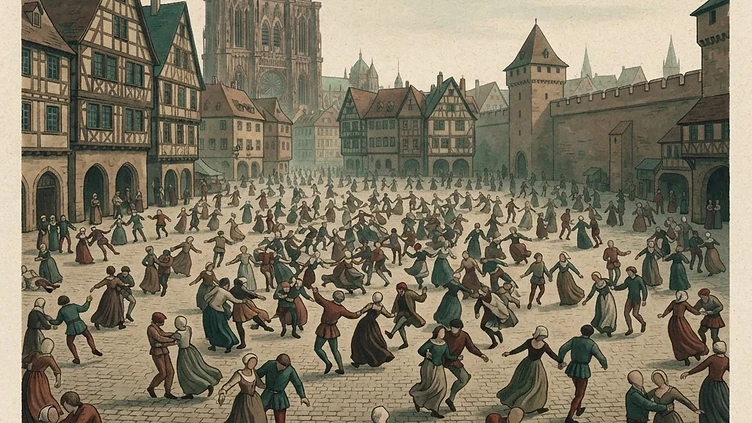
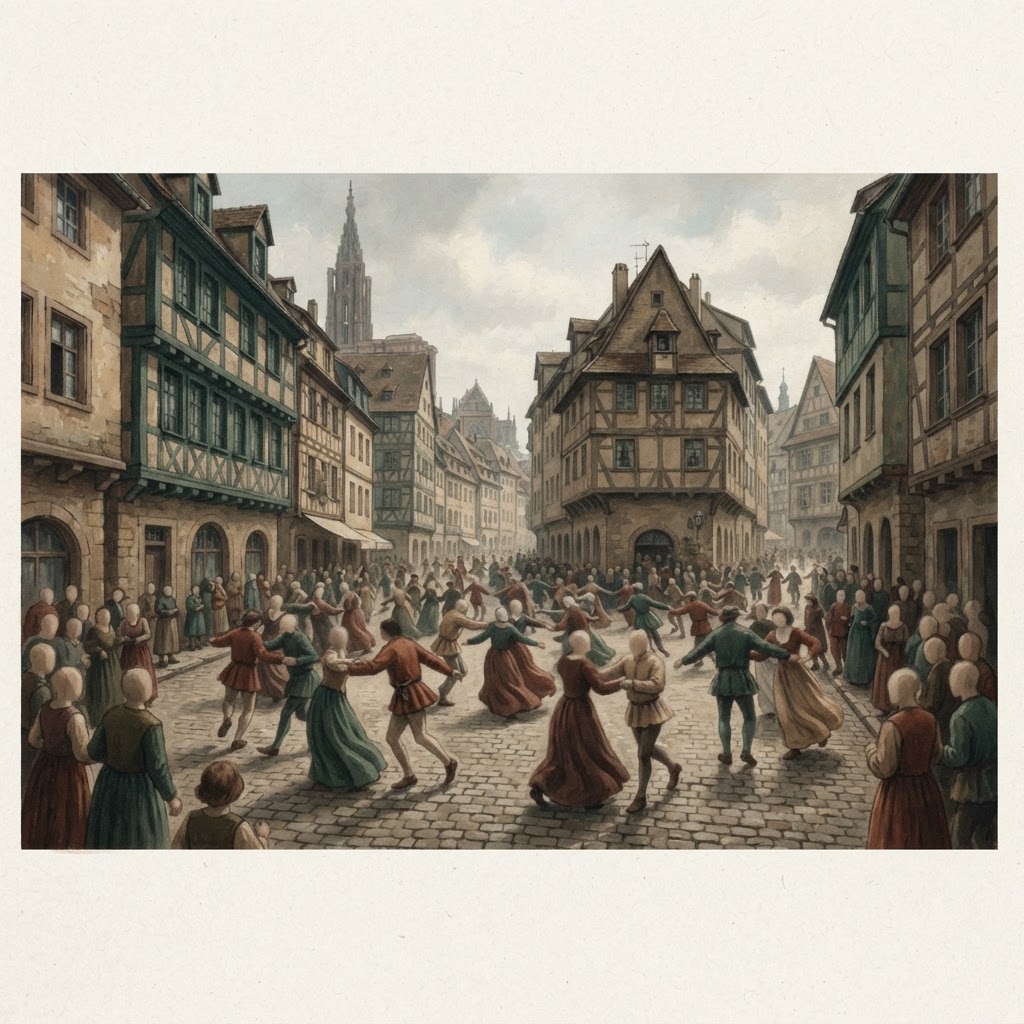
Imagine a summer day where a woman begins to dance in the middle of the street without any musical instruments or invitation. What a strange scene, right? Yet in 1518 Strasbourg, this scene was reality, quickly transforming into an unstoppable physical movement that spread from one person to hundreds. Every time I look at this corner of history, I face the same question: How does the human body cry out through dance what it cannot express in words? As I trace the footsteps of that summer, we might also take a look at the body of our own era. ## Frau Troffea's First Step The event began on a July day when a woman named Frau Troffea stepped into the street and danced incessantly. There was no music, no discernable reason. She danced for hours, then days, not stopping until her body was exhausted. Her neighbors watched at first with confusion, then with fear. Because this movement was not entertainment; it resembled a seizure, a form of captivity. Frau Troffea's feet seemed surrendered to a power beyond her own will, and this image created a strange unease in those watching. What was truly surprising was that this singular case turned into a collective epidemic within days. First a few people, then dozens, then hundreds of Strasbourg residents were caught in the same madness. The streets and squares filled with bodies that turned, leapt, and sometimes screamed without pause. This is a documented, historical social event. So how does an individual's collapse so quickly become the common language of a community? Perhaps the answer lies not in the epidemic itself, but in the ground that awaited it. The people of Strasbourg were already living with a tense, on-edge spirit; Frau Troffea's dance was merely the first crack in that tension. ## The Physicians' False Prescription The physicians of the time, seeing this tableau, did not think with today's medical mindset, of course. To them, this illness was a kind of heating of the blood; the excess heat accumulated within the body had to be expelled. The solution they proposed carries a paradox that still surprises us today: making them dance more to stop the dancing. Patients were told to dance to music, and the city even allocated special venues and musicians for this purpose. Their logic was simple, operating on the thought that fire is extinguished by fire; yet what they were doing was nothing more than fueling the crisis. We should stop here and ask ourselves, were these physicians really that wrong? Perhaps their intentions were good, and they were doing their best with the knowledge of their age. But the result was clear: the number of dancing people increased; some collapsed from exhaustion, others suffered heart attacks. The prescription given with the intention of healing became more destructive than the illness itself. This situation always reminds me that when we fail to read a social crisis correctly, the steps we take to heal it sometimes pave the way for the deepening of the crisis. Strasbourg's physicians paid the price for confusing the symptom with the source on the city's streets. ## The Anxiety of the Body So why were these people dancing? Hunger, the fear of plague, heavy taxes, an uncertain future; the burdens upon the people of Strasbourg were many. A society that cannot find words sometimes speaks with its body; what language silences overflows through the language of muscles and joints. Dance here emerged not as a tool of entertainment, but as an expression of collapse and despair. A fear that could not be described with words had taken refuge in the body's own vocabulary. When I look at the waves of mass behavior on social media today, I notice the same root. A video, a challenge, a trend; millions of people start doing the same thing simultaneously, often without even questioning why. Someone might come out and say this is a completely different phenomenon, reminding us that technology and algorithms are involved. Even if this objection seems valid, I believe it.. does not change the essence of the matter; because in both 1518 Strasbourg and today's screens, the primary driving force is the same: a suppressed, unnamed social anxiety. Only the carrier tool changes, not the phenomenon itself. The feet of the body, the fingers on the screen, both are different forms of the same silent scream. In that summer of Strasbourg, the dancing bodies carried the fear that an era could not tell. Perhaps the trends flowing across our screens today are reflections of the same unspoken tension. History always shows us that a community of people will express what it cannot put into words in some way, sometimes through dance, sometimes through another collective behavior. Frau Troffea's first step opened the door to a mystery we may never fully solve; but what stands behind that door is the same fragility that human communities continue to bear. One day, feet rebel, because words are sometimes not enough.
İlgili Denemeler
The Mechanical Turk: History's Chess-Playing Mystery
The chess-playing automaton known as the Mechanical Turk deceived figures like Napoleon and Benjamin Franklin, masking a hidden human operator as a machine.
Bournville: The Utopian Town Built by Chocolate
The streets, gardens, and teetotal order of Bournville reveal how the Quaker faith imprinted a distinct form of morality upon the foundations of industry.
Levi's: The Story of Riveted Jeans Born from Gold Rush
In 1873, a tailor's discovery of a riveted solution for torn pockets redirected the true fortune of the gold rush toward the enduring garment industry.
Tartışma (0)
Henüz yorum yok. İlk yorumu siz yapın.
Join the Newsletter
New essays, once a week, delivered to your inbox.